


First Ten Days in Istanbul
This guide is designed for professionals relocating to Istanbul for long-term work assignments. It outlines what most expats experience during their first ten days, from airport arrival and transportation to housing, banking, and residence permits. The goal is to provide a clear, realistic roadmap to help newcomers settle smoothly into life in Istanbul.

First Steps into a New Life in Istanbul
Arriving in a new city can be overwhelming, especially when moving for work. These first ten days typically shape the foundation of an expat’s life in Istanbul: understanding the city, navigating its systems, and settling into a new routine.
Day 1: Arrival at Istanbul Airport
After landing at Istanbul Airport (IST), expats proceed through passport control, where work visas and entry stamps are checked. Currency exchange is available, but most newcomers exchange only a small amount at the airport due to better rates in the city.

For transportation into the city center, several reliable options exist:
Havaist Airport Shuttle – Direct and comfortable routes to Taksim, Levent, Kadıköy, and other hubs.
Metro (M11 line) – Affordable and convenient if accommodation is near a station.
BiTaksi or Uber – Safe ride-hailing apps commonly used across Istanbul.
Private transfers – Ideal for late-night arrivals or travelers carrying multiple bags.
Days 1–3: Finding a Comfortable Temporary Stay

Most expats begin their stay in temporary accommodation while searching for a long-term home. Instead of Airbnb, Istanbul’s locals typically use:
Sahibinden.com
Hepsiemlak.com
Popular neighborhoods for short-term stays include:
Cihangir & Nişantaşı – Central, artistic, and full of character.
Levent & Etiler – Modern, safe, and close to business areas.
Kadıköy & Moda (Asian side) – Relaxed, vibrant, and filled with cafes and cultural spots.
Central one-bedroom apartments generally range from $1,000–$2,000 USD/month.
Day 2: Getting a Turkish SIM Card
 A local SIM card is essential during the first few days. Major providers offer 90-day prepaid packages for foreigners:
Turkcell – Best coverage and fastest data speeds.
Vodafone – More budget-friendly options.
Türk Telekom – Popular for prepaid users.
Expats need only:
A passport
A local address (temporary accommodation is acceptable)
Once a residence permit is obtained, long-term contracts become available.
Day 3: Getting Around Istanbul
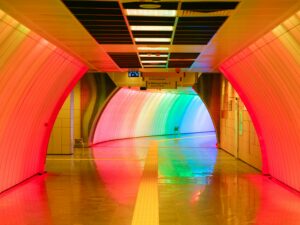
Istanbul’s public transportation network is extensive and efficient. One of the first necessary purchases is an Istanbulkart, used across:
Metro
Tram
Ferry
Bus

Useful tips for newcomers:
Istanbulkart top-ups are available at metro stations and kiosks.
Navigation apps like Moovit and Citymapper simplify route planning.
Ferries between the European and Asian sides are both scenic and practical.
Using BiTaksi or Uber is safer than hailing random street taxis.
Avoid commuting during peak hours as traffic in Istanbul can be intense.
Days 3–5: Settling into Work Life

Workplaces in Turkey tend to balance professionalism with warmth. Tea is a regular part of the workday, colleagues are welcoming, and personal connections matter.
During these days, expats usually handle initial administrative tasks. The most important is obtaining a Tax Number (Vergi Numarası), required for:
Opening a bank account
Signing a rental contract
Purchasing certain items
It can be obtained at the local tax office with a passport.
Days 4–6: Opening a Bank Account
With a tax number, expats can open an account at major banks such as:
Garanti BBVA
İşbank
HSBC
Ziraat Bankası
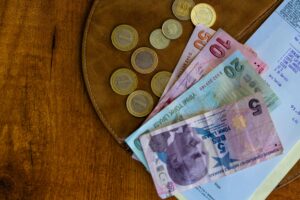
Branches in business districts like Levent or Etiler tend to offer English-speaking staff.
Required documents:
Passport
Tax number
Proof of address
Work permit (if applicable)
Days 5–8: Searching for a Long-Term Home

Long-term housing searches usually happen through:
Sahibinden.com
Hepsiemlak.com
Local real estate agents (often contacting clients via WhatsApp)
Rental notes:
Deposits: typically 1–2 months’ rent
Contracts: generally 1 year
Utilities (gas, water, electricity) are usually not included
Popular expat neighborhoods include Beşiktaş, Cihangir, Etiler, Sarıyer, Kadıköy and Moda.
Days 7–10: Applying for a Residence Permit (İkamet)
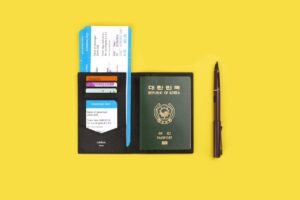 Expats staying longer than 90 days must apply for a residence permit. Required documents include:
Passport + photocopies
Four biometric photos
Health insurance
Rental contract or hotel confirmation
Tax payment receipt
Applications are submitted via the official website:
https://e-ikamet.goc.gov.tr
Appointments are typically scheduled within a few weeks.
Day 10: Settling Into Daily Life
By the tenth day, most expats begin establishing routines, exploring their new neighborhoods, and discovering daily essentials:
Supermarkets: Migros, CarrefourSA, A101, Şok
Food Delivery: Getir, Trendyol Go, Yemeksepeti
Social Life: Cafes and bars in Kadıköy, Moda, Nişantaşı, Beşiktaş
A few Turkish phrases like “Merhaba” (hello) and “Teşekkür ederim” (thank you) go a long way.
Ten Quick Tips
Carry small cash as some shops don’t accept cards.
Register your SIM card to avoid disconnection.
Keep digital copies of your passport.
Get an Istanbulkart early.
Use BiTaksi instead of random taxis.
Avoid rush-hour commuting.
Download Google Translate.
Learn basic Turkish expressions.
Join expat communities for support.
Try a traditional Turkish breakfast.
Ten Days Later
The first ten days in Istanbul often bring a blend of excitement and disorientation, but also quick learning and moments of connection. With each completed task, expats find themselves growing more confident.

This guide summarizes the steps that help build a smooth start in a city full of energy, history, and opportunity. Many expats eventually discover that what begins as a challenge soon becomes a meaningful part of their new life by the Bosphorus.
