


Sultan Ahmed Mosque



Sultan Ahmed Mosque
Standing majestically across from Hagia Sophia in Istanbul’s historic peninsula, the Sultan Ahmed Mosque is one of the most iconic landmarks of the 17th century Ottoman Empire. Commissioned by Sultan Ahmed I and designed by the imperial architect Sedefkâr Mehmed Ağa, the mosque was completed in 1616 and represents the pinnacle of classical Ottoman architecture.
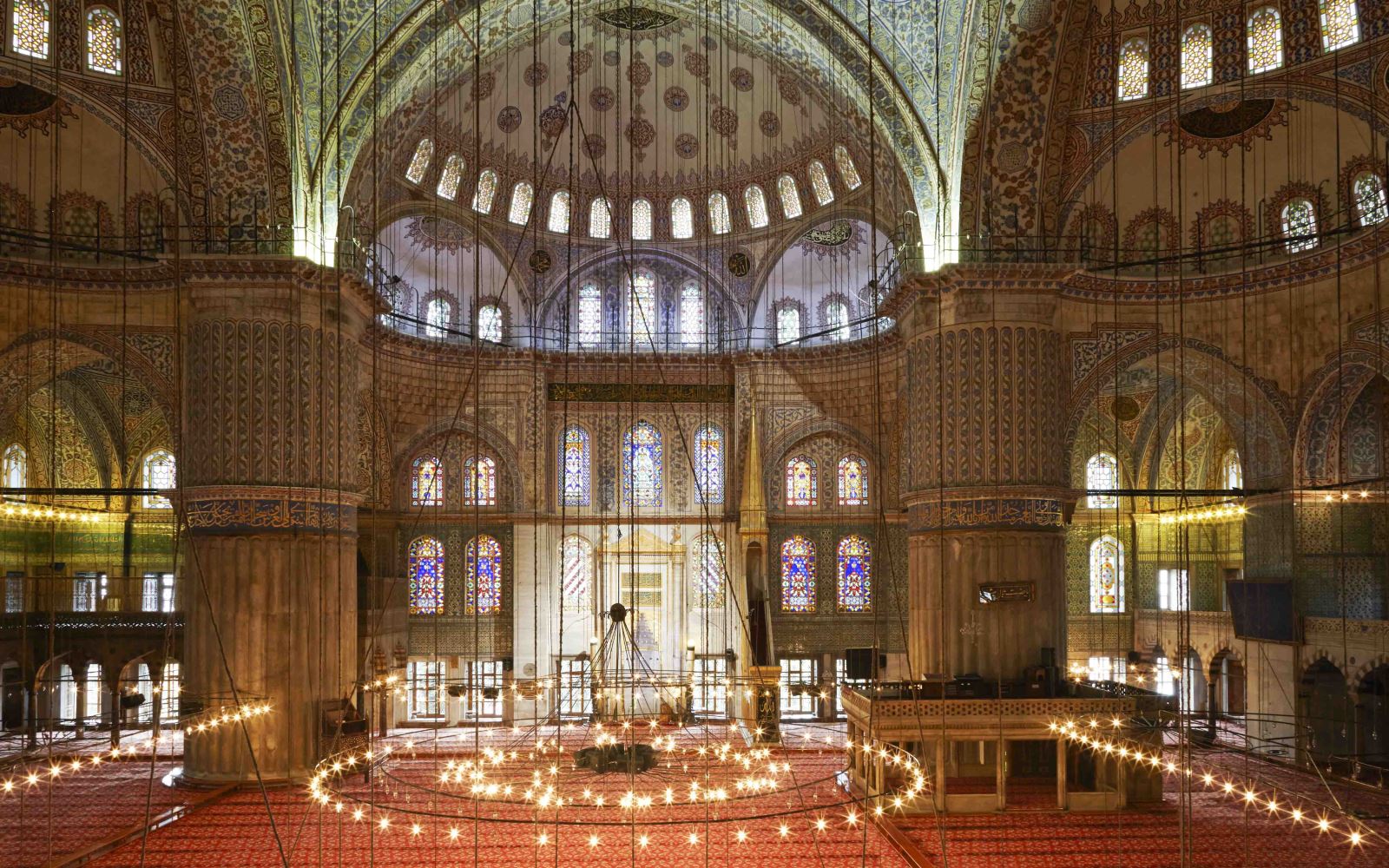
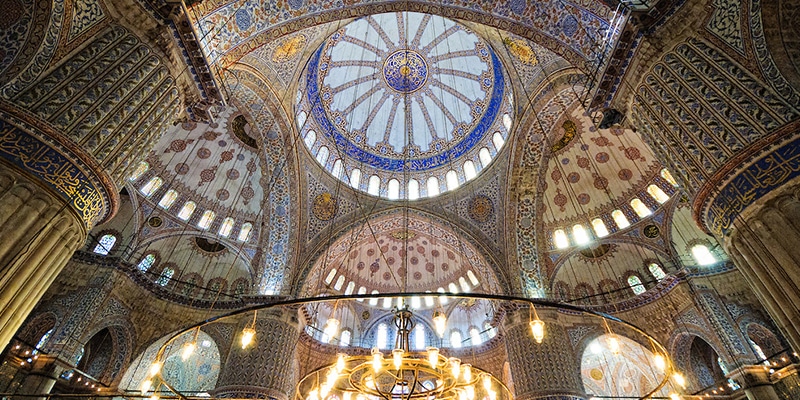
Often referred to as the Blue Mosque, the interior of the building is adorned with over 21,000 hand-crafted İznik tiles, predominantly in shades of blue, featuring intricate floral and geometric patterns. The mosque’s layout includes a vast courtyard surrounded by arcades, a richly decorated prayer hall, and an imposing central dome supported by four massive pillars. Its cascading domes and six minarets make for a stunning silhouette, deliberately designed to rival the neighboring Hagia Sophia in grandeur.
Built on an elevated platform, the mosque’s design enhances its visual prominence within the cityscape. The use of natural light through numerous stained glass windows highlights the beauty of the tiles and calligraphy, creating a luminous and spiritual atmosphere.
Unique among Ottoman mosques, Sultan Ahmed Mosque features six minarets—a bold architectural decision that once sparked controversy, as it equaled the number of minarets at the Great Mosque of Mecca. To resolve this, a seventh minaret was added to the Mecca mosque.
The complex originally included a royal pavilion, madrasas, a hospice, shops, fountains, and a tomb, reflecting the multifunctional nature of imperial mosque architecture. The mosque remains an active place of worship and a major tourist attraction, offering a glimpse into the artistic and cultural heights of the Ottoman era.
Location: Sultanahmet Square, Istanbul, Turkey
Architect: Sedefkâr Mehmed Ağa
Completed: 1616
Notable for: Six minarets, İznik tilework, classical Ottoman design
Binbirdirek, At Meydanı Cd No:10, 34122 Fatih/İstanbulhttp://www.fatih.gov.tr/sultan-ahmed-camii