

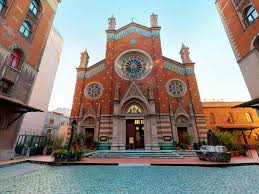
Saint Antoine Catholic Church
History of Saint Antoine Catholic Church
With roots tracing back to the 13th century, Saint Antoine Church stands as the successor to the Church of Saint Francis—once known as the “Hagia Sophia of the Latins”—which was destroyed by fire and later converted into a mosque by Sultan Mustafa II. In the 1700s, the Latin Catholic community built a new church in Pera, which was later demolished to make way for a tramway. In 1906, construction began on the present-day Saint Antoine Church. Due to financial constraints, the church was completed and opened for worship on February 15, 1912—coinciding with the anniversary of Saint Anthony’s remains being transferred to the Basilica of Padua. In 1932, it was elevated to basilica status by Pope Pius XI. Today, Saint Antoine remains the largest Catholic church in Istanbul and serves an active congregation.
Architectural Features
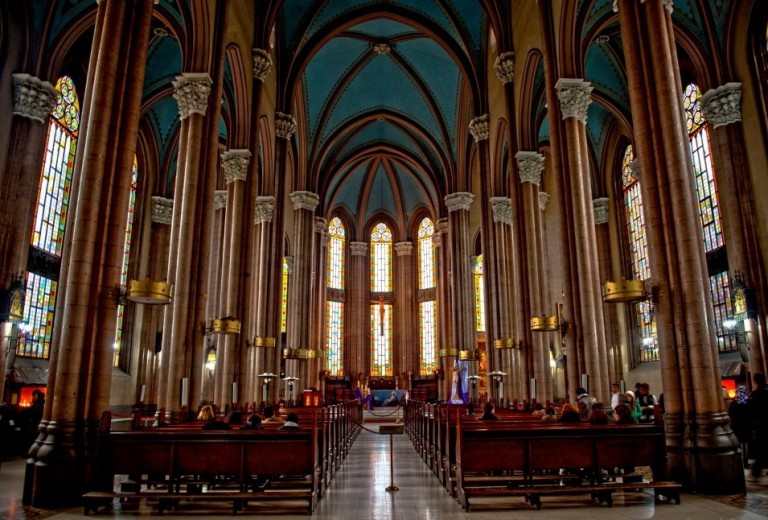
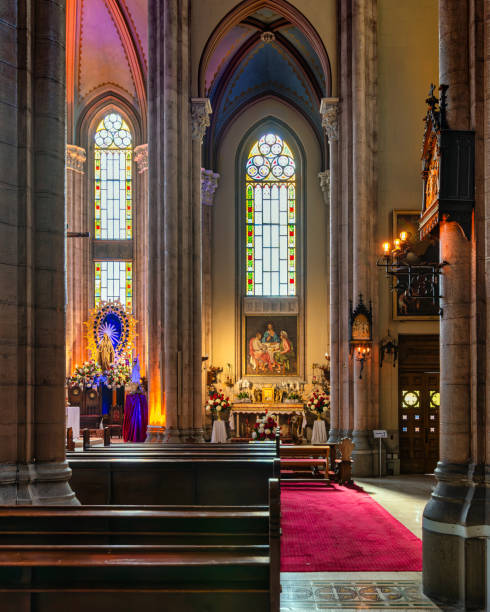
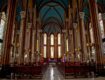
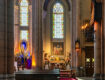
Designed by Italian architect Giulio Mongeri, the church was built in Neo-Gothic style with a Latin cross layout. It forms part of a larger complex that includes shops and residences to support church operations. The entrance, through a grand central gate, leads to a courtyard and the church’s striking red façade, adorned with mosaics and a rose window—a hallmark of Gothic architecture. Inside, the church features high vaulted ceilings, ornate stained glass, and detailed religious decorations. A pointed bell tower and finely crafted altar further distinguish this iconic structure.
Tomtom, İstiklal Cd. No:171, 34433 Beyoğlu/İstanbul0212) 244 09 35https://www.sentantuan.com/