

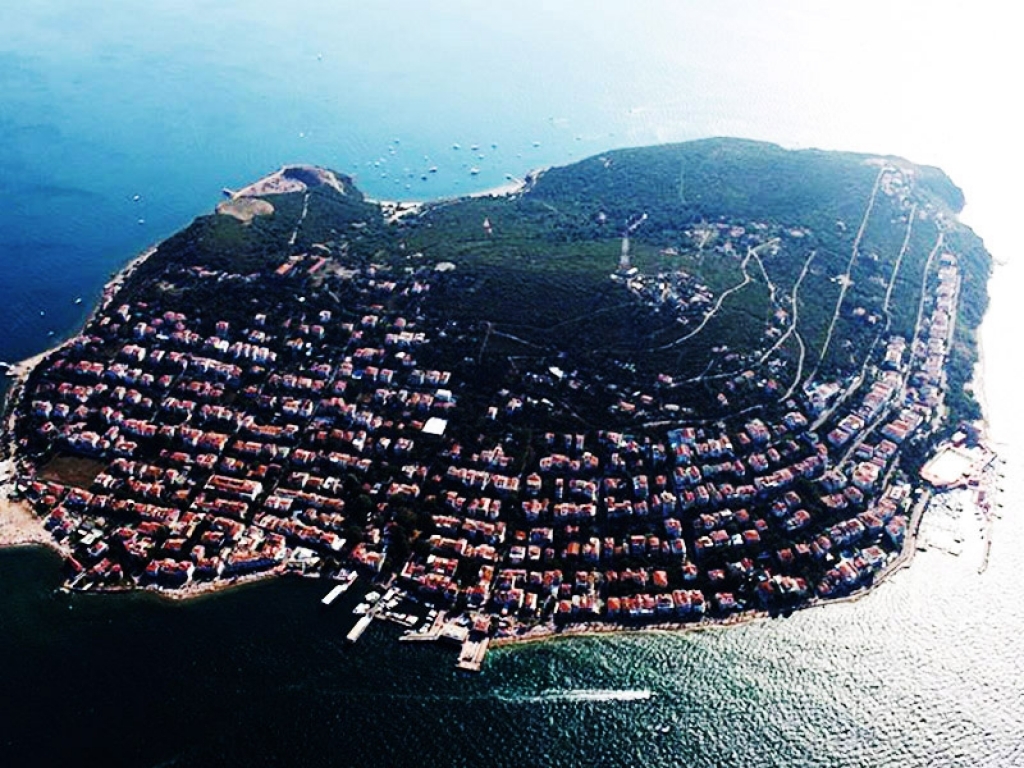

Kınaklıada
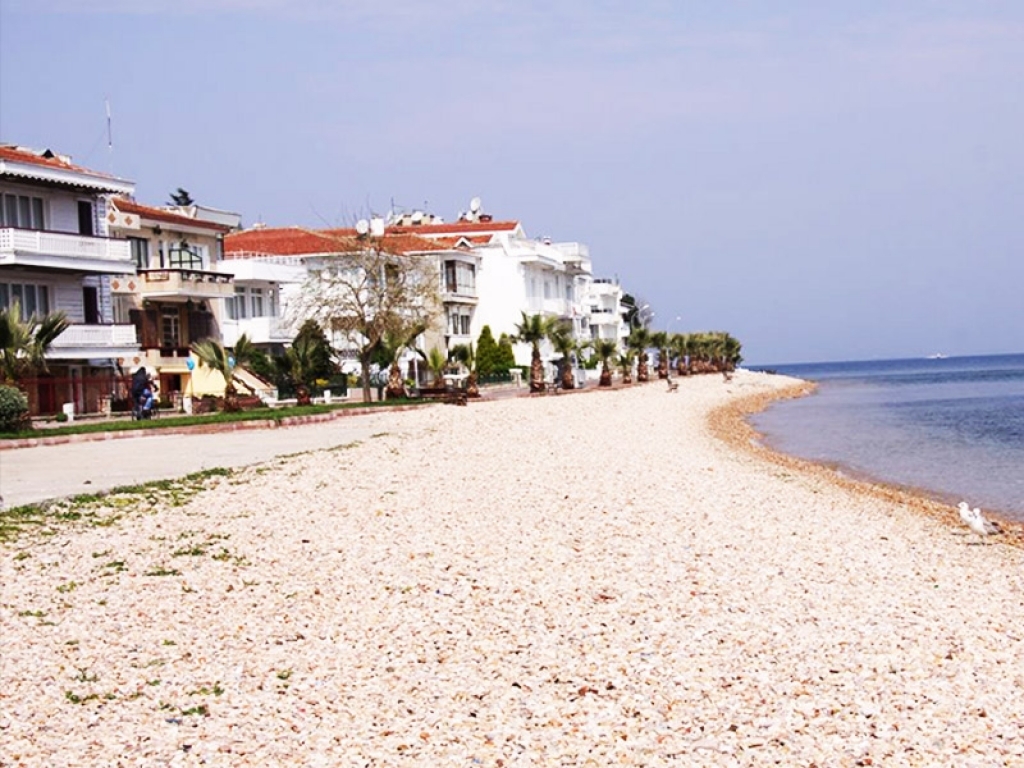

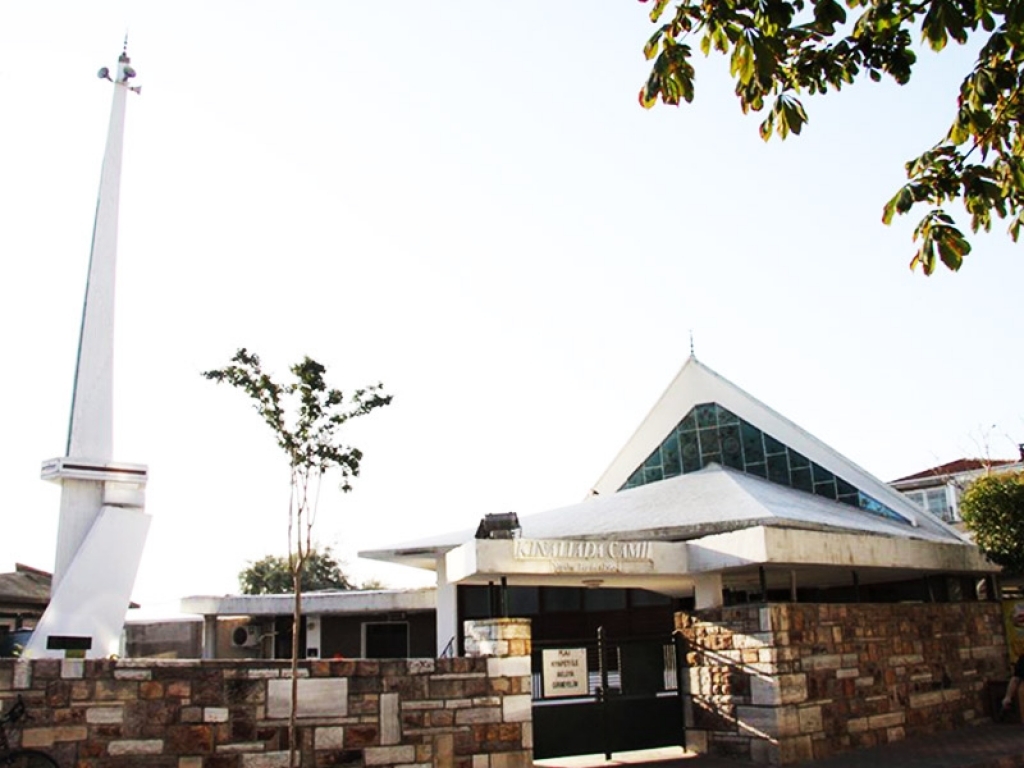


Kınalıada
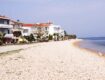
Kınalıada is one of the smallest of Istanbul’s Princes’ Islands, measuring approximately 1.5 by 1.1 kilometers. Its name, meaning “Henna Island,” derives from the island’s reddish hue, once visible from afar when its hills were covered with low maquis vegetation. The island features three main hills: Çınar Hill, Teşvikiye Hill, and Monastery Hill.
Due to its rocky terrain, Kınalıada has little natural forestation. During the Byzantine era, stones were quarried here for the construction of city walls in Constantinople, which altered much of the island’s landscape. Today, the large radio and television antennas atop Çınar Hill are among its most distinctive landmarks.
Historically, Kınalıada was quieter and less populated than the other islands, largely because it lacked water and electricity. Electricity was first introduced in 1946, and the island’s long-standing water shortage was resolved in 1981. The first permanent residents were Armenians, and during the Ottoman period, the island was known primarily as an Armenian settlement.
Following the introduction of regular ferry services to the Princes’ Islands in 1846, Greek and Turkish families also began to settle on Kınalıada. For many years, the island’s population remained only a few hundred, later increasing to around 2,000 permanent residents. During the summer months, however, the population expands dramatically, reaching between 20,000 and 30,000 visitors seeking a peaceful seaside retreat close to Istanbul.
Kınalıada, Adalar/İstanbul, Türkiye